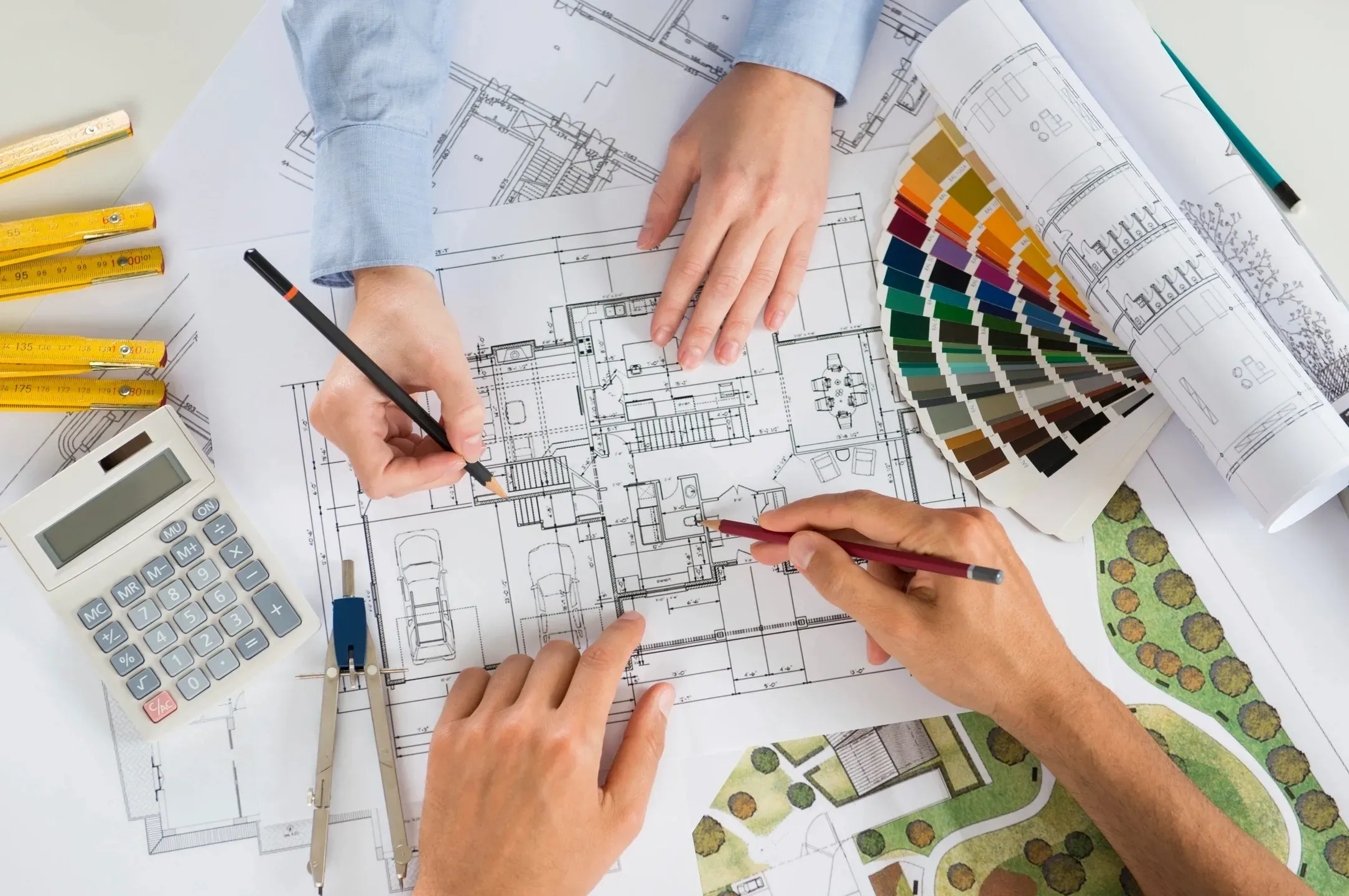
We provide development services for investors and landowners building luxury estates in Palm Beach and Martin Counties. Our focus is ICF construction in established coastal communities where hurricane-resistant building and quality execution are valued by the buyer demographic.
Development partnerships vary based on investor objectives, capital structure, and risk allocation. Some investors bring land and seek construction expertise; others provide capital for identified opportunities; still others prefer development management services while maintaining full ownership.
The luxury estate market in Palm Beach and Martin Counties has shown strength recently, though real estate development always involves risk and market timing considerations. We provide transparent information about costs, timelines, and market conditions so investors can make informed decisions about partnership opportunities.
For landowners with parcels in target markets who want to develop rather than sell. We provide design-build services, construction management, and project oversight. Profit sharing is structured based on land contribution value, capital requirements, and risk allocation agreed upon before project start.
This model works when you have a site but lack construction expertise, want to remain involved in the project, and can accommodate the 18-24 month development timeline.
For financial partners interested in equity participation in identified development opportunities. We locate suitable parcels, manage design and permitting, oversee construction, and coordinate sale.
Capital contributions and profit splits are negotiated based on equity share, with typical structures ranging from 50/50 to various preferred return arrangements. All financial terms are clearly documented before project commencement.
For investors who own land and provide development capital but want professional project execution. We manage design, permitting, construction, and sale coordination on a fee basis with potential performance incentives.
This structure provides investors maximum control while leveraging our local market knowledge, contractor relationships, and construction expertise. You make decisions; we execute and advise.
ICF construction typically adds 5-10% to total construction costs compared to premium wood-frame building—roughly $150,000-$300,000 on a $3 million construction budget. This reflects higher material costs for ICF blocks and concrete, plus specialized labor.
Whether this investment generates return depends on multiple factors: buyer priorities in the specific market, competition inventory, overall market conditions, and property-specific features beyond just wall construction.
ICF provides differentiation in markets where hurricane protection matters to buyers. Post-hurricane buying patterns have shown increased buyer interest in concrete construction, though this varies by timing and specific buyer demographics.
Some buyers view ICF as worth premium pricing; others prioritize location, finishes, or layout over construction method. The advantage varies by property and market timing.
ICF homes may qualify for insurance discounts, though this varies significantly by carrier. These potential savings can be marketing points with buyers, though we cannot guarantee specific insurance outcomes.
Energy efficiency is typically better with ICF than wood-frame, which can appeal to some buyers. However, the degree of advantage depends on many factors including home design, orientation, and systems efficiency.
ICF wall installation often proceeds quickly—typically 2-4 weeks for most homes—and the superior weather resistance can reduce construction delays during Florida's rainy season or tropical weather events. This helps maintain schedule predictability, though overall project timelines remain similar to high-quality traditional construction due to design, permitting, and finish work requirements.
The monolithic concrete structure reduces warranty exposure and callback frequency compared to wood-frame construction, as ICF eliminates common issues like moisture intrusion, termite damage, and structural settling.
Palm Beach County's luxury segment has performed well recently. January 2025 saw single-family home sales priced at $5 million or more triple compared to the prior year, with overall county home sales rising 41% year-over-year. Sales in the $10+ million range increased from 3 homes in January 2024 to 13 homes in January 2025.
For full-year 2024, Palm Beach recorded $1.876 billion in single-family home sales, including 132 homes sold above $10 million (up 21.1% year-over-year) and 10 sales exceeding $49 million.
These figures represent recent performance in a market that has been strong. However, real estate markets fluctuate, and past performance doesn't guarantee future results. Development projects spanning 18-24 months from acquisition to sale depend on market conditions at exit, not conditions at entry.
Current inventory of luxury homes ($5M+) sits around 80-100 listings, up from pandemic-era lows but still below historical norms. How this affects future pricing depends on demand sustainability and new inventory coming to market.
Wealth migration to South Florida has continued, driven partly by tax considerations (Florida has no state income tax) and lifestyle preferences. Buyer profiles include relocated business owners, hedge fund managers, and international buyers.
However, higher interest rates have affected some buyer segments, and cash transactions—while common at the high end—aren't universal. Financing availability and rates affect buyer pool even in luxury segments.
Limited buildable waterfront and estate-sized parcels in target markets create structural scarcity. High-net-worth individuals continue choosing Palm Beach and Martin Counties for primary residences, and competition for quality lots in established communities remains strong.
However, buildable inventory does exist, and multiple developers are active in these markets. New supply entering during your development cycle can affect pricing and absorption at completion.
Complete development cycles typically require 18-24 months from site acquisition through sale:
These timelines assume normal approval processes. Factors that can extend schedules include permitting delays or revision requirements, HOA architectural review complications, material or labor availability issues, weather delays during construction, and market absorption timing at completion.
Development requires capital for land acquisition (if applicable), design and engineering fees, permit fees and impact charges, construction costs (progressive draws), carrying costs during construction and marketing, and marketing and sales commission.
Cash flow is negative until sale completion. Even with strong markets, absorption timing can vary—some properties sell quickly, others take months. Financial planning should account for extended marketing periods and the carrying costs they entail.
The strength of an ICF residence is most appreciated in markets where architecture, privacy, and permanence are not preferences — they are requirements. Our work is focused exclusively in the coastal and estate enclaves where structural integrity and long-term asset preservation matter most.



"Lorem ipsum dolor sit amet, consectetur adipiscing elit. Etiam mattis orci vel odio mollis lacinia. Sed ultrices arcu vel mi sollicitudin congue. Aliquam in varius metus, non pellentesque nibh. Cras odio sapien."

"Lorem ipsum dolor sit amet, consectetur adipiscing elit. Etiam mattis orci vel odio mollis lacinia. Sed ultrices arcu vel mi sollicitudin congue. Aliquam in varius metus, non pellentesque nibh. Cras odio sapien."
“Lorem ipsum dolor sit amet, consectetur adipiscing elit. Mauris efficitur dolor imperdiet, varius augue quis, viverra felis. Curabitur tristique odio sed molestie dapibus. Praesent bibendum vitae sapien eu volutpat."

.svg)

Minimum investment requirements vary significantly based on partnership structure and project scope. For land development partnerships where you provide the site, your capital requirement may be limited to the land value (typically $800,000-$3 million+ depending on location). For co-investment partnerships where you're contributing development capital, minimum investments typically start around $500,000-$1 million, though specific projects may have different thresholds.
Development projects in Palm Beach and Martin Counties require substantial capital due to land costs, construction expenses, and carrying costs during the 18-24 month development cycle. Total project costs typically range from $4-8 million all-in (land plus construction), so even a minority equity position represents significant capital commitment.
We work with accredited investors and qualified partners who understand real estate development risk and can commit capital for the full development timeline. If you're exploring development partnerships, we recommend scheduling a consultation to discuss specific project opportunities and capital requirements that match your investment capacity.
We identify development sites through several channels. We maintain relationships with land brokers who specialize in estate-sized parcels in Palm Beach and Martin Counties and receive off-market opportunities before they're publicly listed. We track HOA architectural review approvals to identify communities receptive to new construction and quality development. We monitor luxury home teardown candidates—older properties on premium lots where land value exceeds structure value—creating development opportunities in established neighborhoods.
Additionally, we work directly with landowners exploring development rather than sale, creating partnership opportunities that don't require land acquisition. Our exclusive focus on two counties means we know which communities support new construction, understand typical approval timelines, and maintain current market knowledge about land values and development feasibility.
Site identification is ongoing. When suitable opportunities emerge that match our development criteria—estate-sized lots in established communities with strong comparable sales—we conduct feasibility analysis before commitment. If you own land in Palm Beach or Martin Counties and are considering development, we can provide preliminary assessment of development potential.
Yes, through our co-investment partnership structure. This model is designed for financial partners who want equity participation in development projects without owning land. We identify suitable sites, conduct feasibility analysis, negotiate land acquisition, and manage all aspects of development from design through sale.
Co-investment partners contribute development capital in exchange for equity ownership, typically through LLC structures that define capital contributions, profit distribution, and decision-making authority. You receive regular project updates, financial reporting, and involvement in major decisions while we handle day-to-day project management, contractor coordination, and construction oversight.
This structure works well for investors who want development returns without operational responsibilities or those who want exposure to Palm Beach luxury real estate but don't have suitable land. Minimum capital contributions vary by project—typically starting around $500,000-$1 million depending on total project size and equity split.
If you're interested in co-investment opportunities, contact our development team to discuss current or upcoming projects that may align with your investment timeline and capital availability.
Construction cost overruns are addressed through several protective mechanisms built into partnership agreements. First, all budgets include contingency reserves (typically 8-12% of construction costs) specifically allocated for unforeseen conditions and cost increases. These reserves handle most unexpected costs without affecting investor capital beyond initial commitments.
Second, we use detailed cost estimates and fixed-price contracts with general contractors where feasible, transferring much of the cost risk to the builder. Change orders require approval and documentation before execution, ensuring transparency about any cost increases and their causes.
Third, partnership agreements specify how cost overruns beyond contingency reserves are handled—typically through proportional additional capital calls to partners, though specific terms vary by deal structure. Some agreements include caps on additional capital requirements, while others provide detailed procedures for addressing material budget variances.
We mitigate cost risk through thorough pre-construction budgeting, experienced contractor selection, and regular cost monitoring during construction. However, development inherently involves cost uncertainty, and responsible underwriting accounts for this through contingencies and conservative assumptions. All cost structures and overrun procedures are clearly documented in partnership agreements before capital commitment.
We work with both passive and active partners, depending on partnership structure and investor preference. Passive investors typically participate through co-investment structures where they provide capital but we handle all operational aspects—site identification, design management, contractor coordination, permitting, construction oversight, and sale. Passive investors receive regular updates and financial reports but don't participate in day-to-day decisions.
Active partners are common in land development partnerships where they own the site and want involvement in design decisions, contractor selection, or other project elements. Active partners typically attend key meetings, review major decisions, and stay closely engaged throughout development while still relying on our construction expertise and project management.
Most of our investors fall somewhere between fully passive and highly active—they want to understand what's happening and be informed about major decisions, but don't want operational responsibilities. Partnership agreements define decision-making authority clearly: which decisions require partner approval (major budget changes, design modifications, pricing strategies) versus which fall under our management authority (contractor coordination, material selections within budget, schedule management).
Your preferred involvement level should be discussed during partnership structuring to ensure alignment and proper agreement documentation.
Investors should conduct thorough due diligence on both the developer and specific project before committing capital. For developer due diligence, verify past project experience and track record. Ask for references from previous investment partners and contact them directly about their experience, project outcomes, and communication quality. Review financial stability—developers managing your capital should demonstrate sound financial management and adequate resources.
For project-specific due diligence, review independent third-party reports including appraisals, environmental assessments (Phase I), title reports, and surveys. Have your attorney review all partnership agreements, LLC operating agreements, and legal documents before signing. Examine pro forma projections and underlying assumptions—are they conservative or aggressive? Request sensitivity analysis showing how returns change if assumptions vary.
Verify that proper insurance is in place (builder's risk, general liability) and understand how investor capital is protected. Review planned exit strategy and timeline—how long is capital committed? What happens if the property doesn't sell quickly? Understand fee structures clearly—development fees, construction management fees, and how profits are split.
Consider engaging your own real estate attorney, CPA, and potentially a real estate consultant to review materials before investment. Independent professional advice is always recommended for substantial capital commitments. We welcome thorough due diligence—sophisticated investors should verify everything before committing to development partnerships.
Our approach differs from large-scale builders in several important ways. We develop a limited number of estates (typically 2-4 annually) rather than building dozens or hundreds of units. This limited production allows architectural customization, site-specific design, and quality focus that production builders cannot achieve. Each property receives individual attention rather than being one of many similar units.
We focus exclusively on ICF construction, which most large builders don't offer due to specialized expertise required and different cost structures. This specialization means true expertise with the construction method rather than treating it as one of many options. Our exclusive focus on Palm Beach and Martin Counties means deep local knowledge—we know specific communities, understand local permitting processes, and maintain established relationships with building departments and HOA boards.
Large builders typically target faster construction timelines and higher volume, optimizing for speed and standardization. We prioritize construction quality and architectural distinction, which requires longer timelines but delivers differentiated product. Investment returns come from premium positioning rather than volume efficiency.
Finally, our partnership structures provide direct investor involvement and transparent communication. You work directly with principals making decisions, not through multiple layers of corporate hierarchy. This direct relationship provides clarity, responsiveness, and alignment that large corporate builders typically cannot offer.
If you're evaluating development partners, the choice depends on your priorities: volume and speed versus quality and differentiation.
Development financing typically combines multiple capital sources. For land acquisition, investors may use cash, conventional mortgages, or private lending depending on circumstances and timeline. Once land is secured, construction financing usually comes from specialized construction lenders who provide progressive funding tied to construction milestones. These loans typically require 20-30% borrower equity with remaining 70-80% financed through construction draws.
Construction loans carry higher interest rates than permanent mortgages—typically prime plus 2-4%—and include various fees (origination, inspection, etc.). Lenders require detailed budgets, architectural plans, contractor qualifications, and borrower financial strength verification. Pre-approval before land acquisition helps establish feasibility and prevents surprises.
Some investors prefer all-cash construction to avoid loan costs and timing constraints, particularly in partnership structures where multiple parties contribute capital. Others use construction financing to leverage capital and improve returns, accepting interest costs in exchange for higher equity returns.
In partnership structures, we coordinate financing strategy with investors based on project economics, available capital, and preferred leverage levels. Some projects work better with conservative leverage; others benefit from strategic use of construction debt. Lender relationships matter—we work with construction lenders experienced with luxury custom homes and ICF construction, as not all lenders understand these projects.
If you're considering development partnership, we discuss financing strategy during pro forma development to ensure capital structure aligns with your objectives and available resources. All financing terms are clearly documented in partnership agreements before commitment.


.svg)


